 +91 9893014167
 1 (888) 316-3286
 +44 20 3807 2189
 Chat on WhatsApp


A California Wine Store’s Ads Were Already Working. We Grew The Revenue They Bring In By 58% In The First Month.
+58%more revenue from adsIn the very first month
Topad positions heldOn the most competitive wine searches
Sametotal ad costMore clicks and views, no extra spend
Every Result, At A Glance
| Result | What It Means |
|---|---|
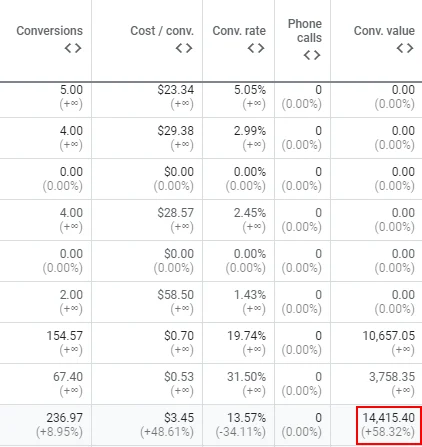
| +58.32% revenue | Revenue from the ads grew by this much in the very first month. |
| More clicks and views | The ads were seen and clicked more, while the total cost stayed the same. |
| Strong ad numbers | All the main ad measures were kept at a high level. |
| Top ad positions held | Good bid management and quality score kept the ads at the top, even on busy, popular wine searches. |
Real Snapshots From The Campaign
A screenshot from the client’s own Google Ads account, taken during the campaign.
Google AdsCampaign totals against the month before
Work Done, First Month
| # | Activity | What exactly | When |
|---|---|---|---|
| Review | |||
| 1 | Account audit | A full audit of the existing Google Ads account | At the start |
| 2 | Competitor study | What competing wine and spirits sellers were doing | At the start |
| 3 | Past results | The store’s own history used to see which ads had sold | At the start |
| Campaign Work | |||
| 4 | Tighter structure | Campaigns rebuilt around searches most likely to lead to a sale | At the start |
| 5 | Ads and pages matched | Search words, ads and landing pages lined up to lift quality score | At the start |
| 6 | Wider reach | Campaigns and ad groups widened by location and interest | Ongoing |
| 7 | Bid management | Bids managed to keep top positions on busy wine searches | Ongoing |
| 8 | Budget moves | Budget moved to what paid back most | Ongoing |
How we measured
- Numbers from the client’s own Google Ads account at the time. This case study was first published in June 2020.
