 +91 9893014167
 1 (888) 316-3286
 +44 20 3807 2189
 Chat on WhatsApp


A Canadian performance car parts store grew its revenue from Google more than 10× in two years.
A Canadian online store for car performance parts was up against big Canadian and US retailers and the brands’ own websites. We changed how its site is organised so it could be found for every brand and every car make, model and year. In almost two years, visits and revenue from Google grew more than 10×.
Where they started, what we did, where they are now
No pages for what buyers search
Buyers search for a brand or for their exact car, but the site had no pages for those searches, and big retailers held the top spots.
Built the shelves first
New pages for every brand and every make, model and year, duplicate pages fixed, clear navigation, then plans for every product page and quality links.
Money to grow
Revenue from Google grew more than 10×, which helped the car parts store widen its range and invest in other marketing.
Canadian Performance Car Parts Store, in plain words
The client is now among the largest sources of car performance parts in Canada. It is proud to be Canadian, and it lets Canadian car fans buy quality parts at low prices, delivered to their door without ordering from the US and paying customs duties and brokerage fees. It works with more than 250 brands.
The business has closed an investment deal on national TV and was named one of Canada’s fastest-growing businesses. Even so, its website had to compete with retailers and the brands’ own sites that were already doing well on Google. Its structure also had no pages for many of the ways people search for parts.
We worked with the car parts store’s developers to rebuild the site’s structure and then planned improvements for hundreds of thousands of pages. In almost two years, traffic and revenue from Google grew more than 10×. That extra revenue let the car parts store widen its product range and invest in other marketing.
What stood in the way
Strong competitors
Rival retailers were already well placed on Google, and car brands’ own sites held top spots for brand and model searches.
Many ways to search
People search by part type, by brand, and by make, model and year, so the site had to rank for all of them.
Ready-to-buy searchers
People near a purchase type very exact searches. Each one is small, but those visitors are likely to buy.
No pages to match
The site’s original structure had no landing pages for the brand and make, model and year searches.
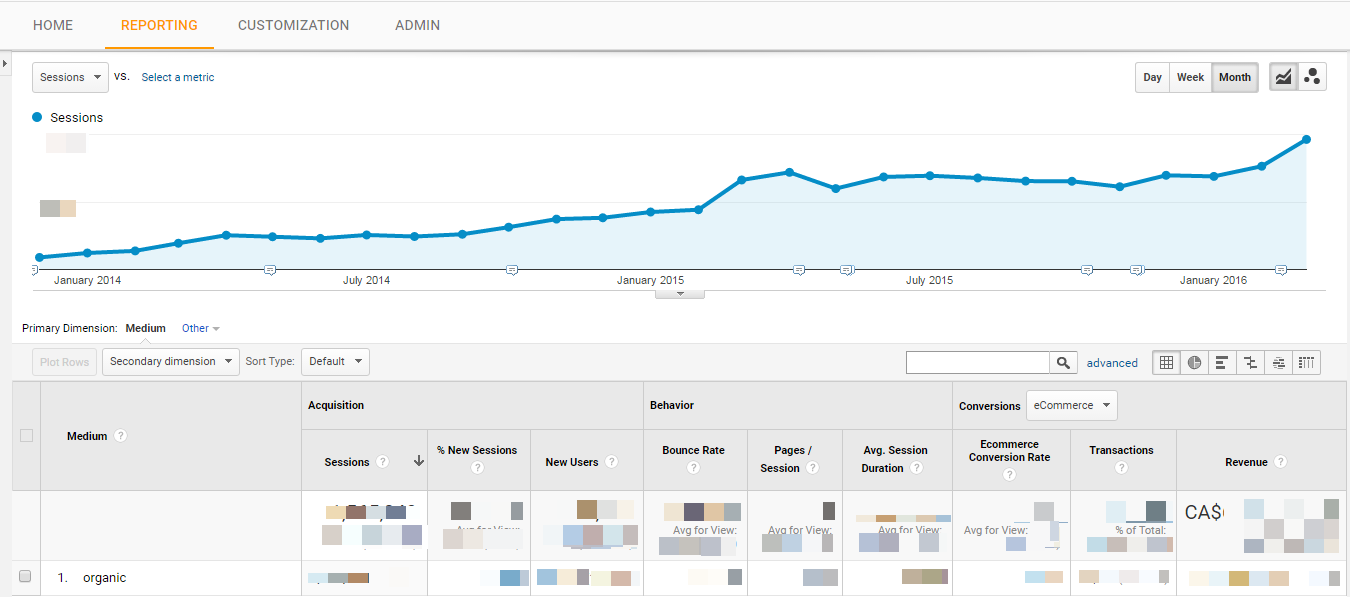
Visitors from Google: up more than 10×
From the client’s own analytics.
What almost two years brought
more traffic from Google in almost two years.
more revenue from Google visitors over the same period.
The extra revenue let the car parts store widen its product range.
It also let the car parts store invest in other marketing, which helped the company grow.
Four steps that made the difference
Found how buyers really search
By brand, and by car make, model and year, often with very exact searches from people ready to buy.Be found for exactly what buyers type.
Rebuilt the site’s structure
With the car parts store’s developers: landing pages for every brand and vehicle, and no duplicate product pages.Like building the right shelves before stocking a shop.
Clear paths through the site
Navigation, breadcrumbs and internal links that help shoppers and Google reach every page.No product hidden in the back room.
Optimised every page, then built links
Recommendations for hundreds of thousands of category and product pages, then quality links to the key pages.Online word of mouth. The more trusted sites mention you, the more Google and AI trust you.
Everything we did for the car parts store
- Researched how buyers search, by part type, brand, and make, model and year
- Worked with the car parts store’s developers on a new site structure with room for hundreds of landing pages
- Created separate landing pages for brands and for make, model and year searches
- Added an automatic rule that reduces duplicate product pages, a common problem for online stores
- Improved navigation, breadcrumbs (The trail showing where you are) and links between pages
- Made it easy for Google to find even the deepest pages
- Planned detailed improvements for hundreds of thousands of category and product pages
- Got quality sites to link to the important landing pages
What other business owners can take from this
Make a page for every way people search
If a buyer types a brand or an exact car, there should be a page ready for that search.
Very exact searches can be the most valuable
Each is small, but the people typing them are close to buying.
Reinvest the gains
Revenue from search funded a bigger range and new marketing, which keeps the growth going.
Your buyers search for exactly what they need. If you don’t have a page for it, a competitor does.
We do SEO for online stores of every size, in Canada, the US, the UK, Australia and beyond.
- A page for every way buyers search
- Compete with much bigger retailers
- More revenue from Google, not just more visits
- A clear report every month on what we did and what it brought
Big catalogue, small Google presence?
Our free SEO & AI SEO audit shows where you appear on Google and in AI answers today, who shows up instead, and what to fix first.
Results like this, for other businesses
About this case study
Who is the client?
A Canadian online store for car performance parts, working with 250+ brands. It has closed an investment deal on national TV and was named one of Canada’s fastest-growing businesses.
How we measured (for the detail-minded)
- Numbers from the client’s own analytics at the time. This case study was first published in January 2017.
